Pacific Radiology is using world-leading technology to improve outcomes for patients with prostate cancer – and is attracting global attention at the same time.
Pacific Radiology expert diagnostic Radiologist Dr Elisa Perry is excited to announce that her research team IRGANZ – the Imaging Research Group of Australia and New Zealand – has recently had a paper published in the highly prestigious European Journal of Nuclear Medicine and Molecular Imaging.
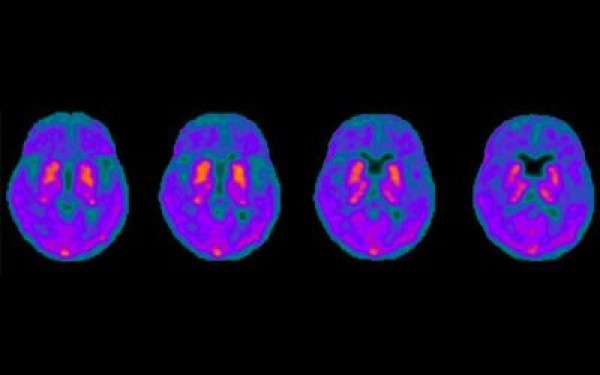
IRGANZ is a collaboration between Pacific Radiology and St Vincent’s Hospital Melbourne. The paper looks at using cutting-edge scans knows as PSMA PET/CT scans which show the presence of prostate cancer cells for the early detection and treatment of disease. Prostate cancer is the most diagnosed cancer in Australia and New Zealand, affecting thousands each year.
Dr Elisa Perry says:
"These scans greatly benefit our referrers and patients at Pacific Radiology as they offer quick and accurate diagnosis. We have been world leaders as early adopters, establishing funding, training staff to perform and report these scans and supporting research into the huge potential of the technology we are using."
Because both Pacific Radiology and St Vincent’s Hospital had large databases of PSMA PET/CT scan results, the research group recognised the opportunity to use the data to improve outcomes for patients with prostate cancer. The data is highly beneficial in finding out which patients benefit most from having the scan so those with early disease have the option to have treatment which could cure them.
Dr Perry says:
"We are thrilled this article was published in one of the highest ranking Radiology and Nuclear Medicine Journals in the world. Now our hard work is likely to reach the key researchers, policymakers and educators in our field, which is going to hugely impact on improving standards of patient care among those with prostate cancer."
The research has also been picked up by urology.com, a high traffic American site with a strong social media presence, which featured the paper in their “Beyond the Abstract” segment. The research group has found that it is extremely useful to categorise prostate cancer patients into treatment groups, determining which can be treated by surgery, radiotherapy or chemotherapy.
Additional IRGANZ research looking at using the same scans for non-prostate cancer tumours has also been accepted for an oral presentation at the European Congress of Radiology, one of the largest radiology meetings in the world, showcasing research at Pacific Radiology to a large international audience.